Vaccinations Schedule for Puppies: What Owners Need to Know
Author:Arooba
Released:December 1, 2025
Bringing home a fluffy bundle of joy, only to worry about hidden threats lurking in every park or playdate? Curious if skipping a shot could spell trouble, or how to shield that tiny explorer from deadly viruses? Wondering what surprises await at the vet's office during those early visits?
Why Puppies Need a Strict Schedule
Puppies enter the world with borrowed immunity from their mothers, a temporary shield that wanes around 6-8 weeks. This leaves a window where diseases like parvovirus, known for its rapid, heartbreaking spread, can strike hard. A well-timed puppy shot schedule steps in, delivering boosters that build lasting defenses layer by layer.
Skipping or delaying invites risks, as outbreaks still occur in communities. Parvo survival rates improve dramatically with vaccination, turning what was once a common killer into a rare threat for protected pups.
Early protection also supports socialization, allowing safe interactions that shape confident adults without fear of contagion.
Core Vaccines: The Essentials
Veterinary guidelines designate core vaccines for dogs as must-haves for all, targeting highly contagious and dangerous illnesses.
These include:
- Distemper: A multi-system attacker causing respiratory distress, seizures, and often death.
- Adenovirus (Infectious Hepatitis): Protects liver function from severe inflammation.
- Parvovirus: Defends against brutal vomiting, diarrhea, and dehydration, especially lethal in young ones.
- Parainfluenza: Reduces risk of coughing and respiratory infections.
- Leptospirosis: Guards the kidneys and liver from bacteria spread through contaminated water or soil.
- Rabies: The essential rabies vaccine for pets prevents this invariably fatal disease, transmissible to humans and required by law in nearly every state.
Combined shots like DA2PP or DHPP streamline delivery, with lepto and rabies added separately as needed.
Typical Puppy Shot Schedule
While vets customize based on breed, location, and health, a common timeline provides reliable structure:
- 6–8 weeks: Initial DHPP combo, deworming, and flea check.
- 9–11 weeks: Second DHPP booster, possible Bordetella start.
- 12–14 weeks: Third DHPP, leptospirosis if recommended, canine influenza option.
- 15–17 weeks: Final puppy DHPP, rabies vaccination, and any remaining non-cores.
- 1 year: Full boosters for lasting immunity kickoff.
Rabies follows legal intervals, initially at 12-16 weeks, then annually or every three years with approved vaccines.
This spaced approach accounts for maternal antibody interference, ensuring each dose takes hold effectively.
Regional factors, like higher parvo prevalence in certain areas, might prompt earlier or extra boosters.
Non-Core Vaccines: Lifestyle Choices
Non-essentials tailor to individual risks, adding protection where daily life demands it. Options encompass:
- Bordetella and Parainfluenza combo (Kennel Cough): Vital for boarding, grooming, or dog park frequenters.
- Canine Influenza (H3N8/H3N2): Shields against flu variants in urban or outbreak zones.
- Lyme Disease: Crucial in tick-endemic Northeast or Midwest woods.
- Rattlesnake Venom: For Southwestern hikers facing strike dangers.
- Coronavirus or Giardia: Rarely recommended, as risks often outweigh benefits.
Vets weigh exposure, city dwellers versus rural roamers, guiding smart additions without overload.
What to Expect at Vaccination Visits
These appointments double as health checkpoints, blending shots with comprehensive exams.
The typical flow looks like this:
Growth Tracking: A weight check to ensure they’re hitting their milestones.
The Physical Check: Quick inspections of their ears (for mites), eyes (for clarity), teeth (for alignment), and skin (for parasites).
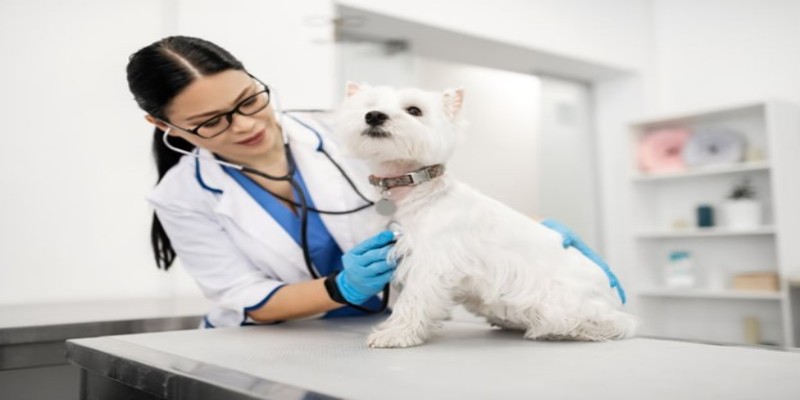
Internal Health: The vet will use a stethoscope to listen to the heart and lungs, and perform an abdominal palpation to feel for any internal anomalies.
The "Mom/Dad" Chat: This is your time to discuss nutrition, potty training hurdles, and a year-round parasite prevention plan.
What about the aftermath? Most side effects are incredibly mild. It’s normal for your pup to have a little soreness at the injection site, a slight fever, or just be a "sleepy potato" for 24–48 hours. While severe allergic reactions are rare, always keep your vet’s number on speed dial just in case. Most pups bounce back by the next morning—appetite intact and tails wagging as if nothing ever happened!
What Vaccines Actually Cost (and How to Save)
Planning eases the financial side, as vet vaccination costs accumulate in the first year.
Breakdowns vary:
The Single Dose: Most core vaccines run between $15 and $50 per shot.
The "All-In" Visit: Most vets bundle shots with a physical exam. Expect to pay $75–$150 per visit once you add in the exam fee and deworming.
The First Year Total: For the full core series, you’re looking at a total of $250–$500.
The Non-Cores: If your pup needs "lifestyle" shots like Lyme or Bordetella, add another $20–$80 per vaccine.
The Rabies Shot: This is usually the cheapest part, ranging from $10–$35.
Pro Tip from a Pet Parent: Costs vary wildly depending on your zip code. Urban clinics are notoriously pricier, so don’t be afraid to check out non-profit clinics or chains like Petco’s Vetco, which offer amazing "puppy bundles." Also, ask your vet about payment plans or wellness pet insurance—it’s the best way to spread the cost over the year so you can focus on training your new best friend instead of stressing over the credit card bill!
Preparing Your Puppy for Shots
Positive experiences start at home. Strategies include:
- Carrier training for calm transport.
- High-value treats to associate vet smells with rewards.
- Short practice visits for weigh-ins only.
- Calming pheromones or supplements if anxiety runs high.
- Scheduling around nap times for relaxed moods.
Post-shot, gentle play and monitoring prevent overexertion while immunity builds, aand void public areas until final boosters.
Side Effects and When to Worry
Most pups sail through with minor drowsiness. Watch for:
- Persistent lethargy beyond two days.
- Swelling or hives indicate an allergy.
- Vomiting or diarrhea signals upset.
- Limping if leg soreness lingers.
Quick calls resolve concerns, as vets track reactions for future adjustments.
Long-Term Protection and Boosters
Puppy series complete, maintenance shifts to adult rhythm, core boosters every 1-3 years, rabies per law.
Titer testing measures antibodies, potentially extending intervals for some. Lifestyle changes, like new travel or boarding, revisit recommendations.
Common Myths and Facts
Misinformation abounds: vaccines overwhelm small breeds (false, doses suit all sizes), or cause diseases they prevent (no, modified live versions safely stimulate). Natural immunity trumps shots (wrong, exposure risks far outweigh).
Truth prevails: Vaccinations save countless lives yearly, enabling safe explorations from backyard romps to cross-country treks.
Equipped with this detailed map, owners confidently guide their companions through early defenses. Those precise pricks unlock worlds of boundless energy, loyal bonds, and endless outdoor chases beneath vast skies, tails forever wagging in triumph.
Related Posts

Does Your Dog Love You? Probably More Than You Think

How to Cook Balanced, Healthy Meals for Your Dog at Home

Cat Body Language Guide: Read Your Cat Like A Pro

Stop the Mats! Brushing Schedules Every Long-Haired Dog Needs

How to Enjoy Dog-Friendly Breweries: Tips, Etiquette, and Spots